
Laundromat Washer Sizes: Pick the Right Fit
The wrong washer size can leave clothes crowded, underwashed, and headed for another cycle. Choose by load type and drum space, not by whichever machine is open.
Ready to match your load to the right machine? Plan your self-service visit at Top Spin Laundry and use our high-capacity Speed Queen washers.
Laundromat washer sizes describe the dry-weight capacity each machine can handle, so match the label to your sorted load before adding detergent. For everyday clothes or one person’s regular laundry, start with a 20-pound washer; move to 40 pounds for family loads or several bedding sets. Choose 60 pounds for a bulky comforter or oversized mixed load that would crowd a smaller drum, while still following every item’s care label. A larger machine is not automatically better, since a very small load can waste water and energy without improving results. Whatever size you choose, load items loosely enough to tumble because tightly packed clothes clean poorly, a rule supported by Tide’s washer-loading guide.
That leaves one practical question: which machine fits the pile you brought today without wasting capacity or limiting movement? Laundromat washer sizes: quick capacity guide maps common loads to Top Spin’s 20-, 40-, and 60-pound options so you can choose confidently. Here’s how.
Laundromat washer sizes: quick capacity guide
Quick answer: Choose a 20 lb washer for routine clothes. Use a 40 lb washer for family laundry or several bedding pieces, and choose a 60 lb or larger washer for bulky comforters. The best fit is the smallest machine that lets the dry load sit loosely with room to tumble.
Laundromat washer sizes tell you the maximum dry laundry weight a machine is built to handle. The right choice depends on both weight and bulk. Everyday clothes pack down, while towels and bedding need more drum space to move.
At Top Spin Laundry in Mission Hills, our variety of washer sizes runs from 20 lb to 100 lb. This range lets you match the machine to one routine load, family laundry, or bulky washable bedding.
Quick size comparison
Use this chart as a starting point, not a strict packing target. Fabric weight, item thickness, and the care label can change which washer fits best.
| Washer capacity | Good starting point | Common load examples | When to size up |
|---|---|---|---|
| 20 lb | Routine clothing load. | Everyday clothes, delicates, or a modest towel load. | The drum looks tightly packed. |
| 40 lb | Family-size mixed load. | Several days of clothes, sheets, or many towels. | Thick items take most of the drum. |
| 60 lb | Bulky household load. | Washable comforters, blankets, or combined family laundry. | Bedding cannot move freely. |
| Larger than 60 lb | Oversized or high-volume load. | Large bedding bundles or several bulky washable items. | Items still crowd the drum. |
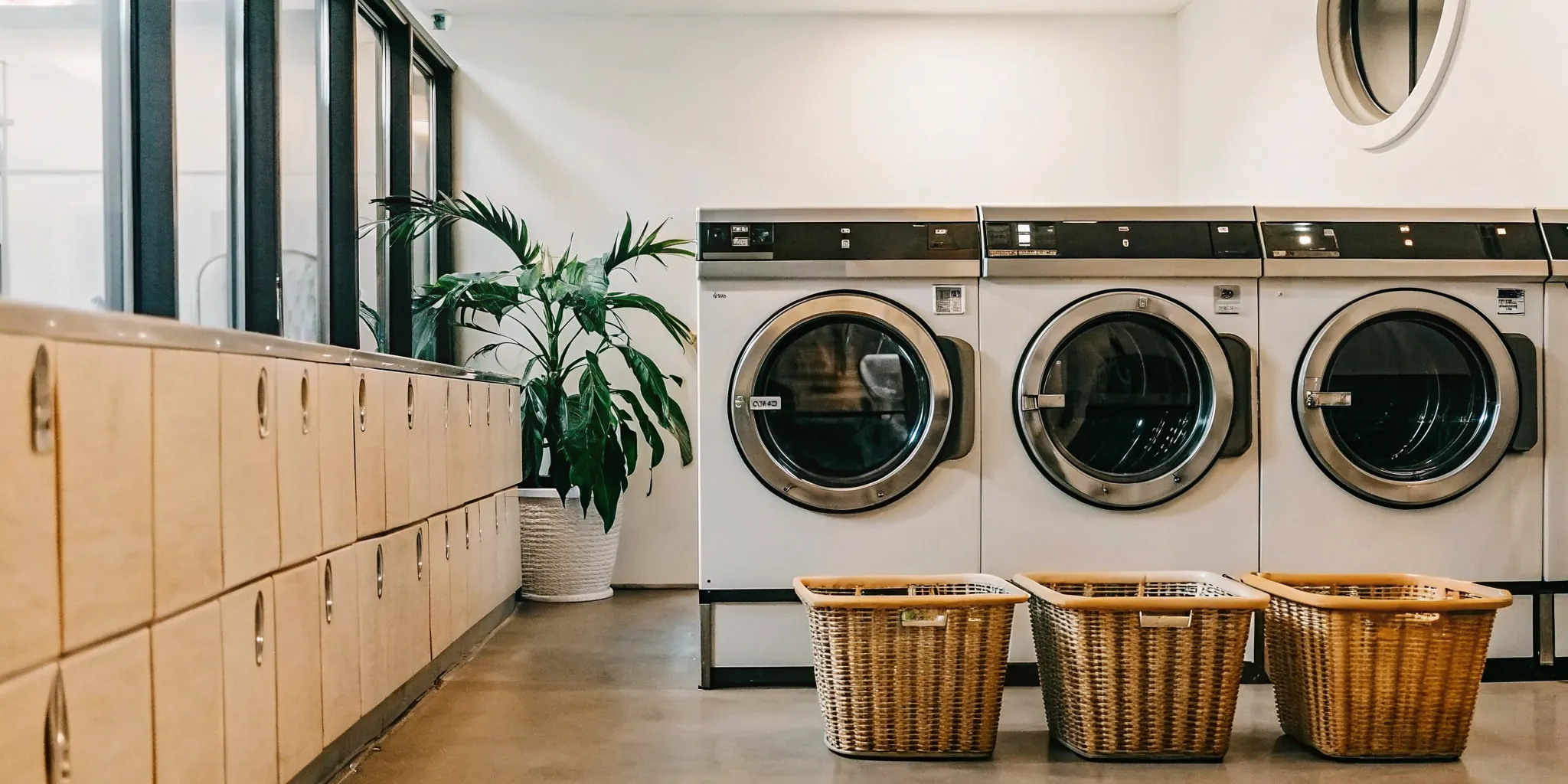
Sort items before choosing a machine. A basket of light shirts may fit much differently than a basket filled with bath towels. Keep bulky bedding separate from small clothes so each item has room to wash well.
How each capacity works in real life
A 20 lb washer suits a standard load of daily clothes. It can also work for a smaller group of towels. Choose 40 lb when family clothes, sheets, or towels would crowd the smaller drum.
A 60 lb washer gives bulky washable items more room. It is a practical starting point for a comforter or a large household load. For oversized bundles, the larger machines may provide a better fit.
Bigger is not always the right answer. A small load in a large drum may use more capacity than needed. In contrast, forcing bedding into a small washer limits movement and may lead to uneven washing.
A simple drum-space check
Load dry items loosely, then look at the space they have to shift and tumble. Do not press clothing or bedding down just to make it fit. If the load looks packed, move up one size or split it.
This space matters because wash results depend on several factors, including mechanical action and load volume. The CDC laundry guidance lists both among the factors that affect the laundering process.
Always check each item’s care label before washing it in a commercial machine. If you are unsure, compare the load with the Mission Hills laundromat guide and ask an attendant for help.
How to judge your load before you choose a machine
Quick answer: Judge the load before washing by checking dry bulk, fabric weight, care labels, and open drum space. If you must press items down to close the door or remove gaps, the load needs a larger washer or should be split.
Start by judging the laundry while it is still dry. Look at its bulk, weight, fabric type, and the space it will need. The goal is not to fill every inch of the drum. You want a machine that holds the load loosely and lets each item move.
A five-step load check
Basket count gives you a useful first clue, but it does not tell the whole story. A basket of shirts behaves differently from one packed with towels. Use this quick check before comparing the available laundromat washer sizes.
-
Count your baskets without pressing the clothes down. Loose baskets show the true bulk better than tightly packed ones.
-
Separate bulky pieces from daily clothes. Comforters, blankets, and thick jackets need more drum space than shirts or socks.
-
Lift each basket and note the dry weight. Dense loads of jeans or towels may need more capacity than larger baskets of light clothes.
-
Check the capacity label on the machine. Match that limit to the dry load, then choose more room when the estimate is close.
-
Place the laundry in the drum loosely. If you must push or pack items inside, move the load to a larger machine.
These checks work best when you sort first. Mixing one bulky piece into a load of daily clothes can hide how much room it needs. Top Spin’s self-service washer options makes it easier to move up when a load looks tight.
Why drum space matters
Clothes need room to lift, turn, and fall through the wash water. That movement helps water and detergent reach more fabric surfaces. The CDC lists load volume and mechanical action among the factors that affect laundering results. A packed drum limits that action.
Overloading can leave folds and crowded areas with less contact during the wash. It can also keep bulky pieces from turning freely. Instead of forcing one tight load, use a larger drum or split the laundry into two loads.
A final check at the drum
Pause after loading and look at the drum, not just the machine label. The laundry should sit loosely, with open space for movement. Thick items may fill that space sooner than expected because they spread and hold water during washing.
If the load looks packed, choose the next size up before starting. If a bulky item cannot shift position, it needs more room. This last check helps protect cleaning quality and makes your machine choice easier to repeat next time.
How do large-capacity washing machines help with bulky loads?
Quick answer: Large-capacity washing machines give comforters, blankets, towels, and family-size loads more room to move. At a laundromat, choose a 40 lb washer for smaller bedding or a larger machine for queen, king, thick, or combined bulky loads. The best choice is the smallest drum that holds the dry items loosely without pressing them down.
Large-capacity washing machines are useful when the load is too bulky for a standard washer, even if its dry weight seems modest. Comforter fill, thick blankets, and dense towels take up space and need room to lift, turn, and fall during the cycle. A crowded drum can limit that movement, so size by both weight and bulk.
Which washer size fits a comforter or bedding?
A twin or full comforter may fit a 40-pound washer when it sits loosely. A queen, king, thick, or down-filled comforter often needs a 60-pound or larger machine. Use the care label as the final guide, then place the dry item in the drum without packing it down. If it stays wedged against the sides or leaves no room to move, go up one size.
Use the same check for blankets, quilts, and towels. A thin blanket may share a load with sheets, but a heavy quilt or dense towel load can need more capacity. Do not add smaller items just to fill open space around a bulky piece. Separate loads when care labels, colors, or fabric weights differ.
How do you choose between one large washer and two smaller washers?
Choose one large washer when the items can safely share the same cycle and still have open room to move. This can simplify a large load of similar clothes, towels, or bedding. Choose two smaller washers when the items need different temperatures, cycles, or fabric care, or when the combined load would still crowd the larger drum.
Top Spin Laundry in Mission Hills has 150 new, high-capacity Speed Queen machines in a renovated 6,700-square-foot facility, with washer options from 20 to 100 pounds. Compare the dry load with the machine label, leave room for movement, and ask an attendant if you are unsure. Visit the Mission Hills self-service laundry to match your load with a high-capacity washer.
When should you use one larger washer instead of two smaller ones?
Quick answer: Use one larger washer when the items can safely wash together and still move freely. Use two smaller washers when colors, soil level, fabric weight, or care labels call for different cycles, even if everything could physically fit in one drum.
Use one larger washer when all the items can safely wash together and still have room to move. This choice works well for a large batch of similar everyday clothes, towels, or bedding. It can also save hands-on time because you load, start, unload, and transfer only one machine.
One load with room to move
A larger drum gives a combined load more space than two small drums packed to their limits. That open space helps clothes move through water instead of sitting in a tight bundle. The CDC lists mechanical action and load volume among the factors that affect laundering.
Pick a larger washer if the smaller options would be tightly packed. Load items loosely, then check that the drum still has open space. If the larger machine would also be crammed full, move up another size or split the load. A bigger washer is useful only when it gives the laundry enough room to move.
Less handling and a simpler wash
Combining safe-to-wash items means fewer doors to open, settings to choose, and loads to track. You also make one transfer to a dryer instead of managing two wet loads. This cuts repeated handling and can make a busy laundry trip easier to manage.
Compare available laundromat washer sizes before deciding. Top Spin Laundry has washers from 20 to 100 pounds, so you can match one machine to a large mixed load. Choose based on the dry items and the space they take up, not only the basket count.
One large washer is also easier when you want the full batch ready for the dryer at once. You will not need to wait for a second washer or watch two cycle timers. Still, leave enough room for each item to move during the wash.
When two washers are the better choice
A larger washer saves handling, but it does not make unlike items safe to wash together. Split loads when colors may bleed or care labels call for different water temperatures. Separate lint makers from lint catchers, and keep delicate fabrics away from rough or heavy items.
- Separate new dark or bright items from light clothes when dye transfer is a concern.
- Keep towels and heavy bedding apart from delicates or light garments.
- Use separate cycles when care labels require different wash settings.
- Split heavily soiled items from clothes that need a gentler wash.
Two smaller washers also make sense when the groups need different cycle settings at the same time. If everything shares the same care needs, one roomy machine is often simpler. When unsure, check each care label before combining the load.
Mistakes to avoid when picking a washer size
Quick answer: The biggest washer-size mistakes are overfilling the drum, mixing items that need different care, and choosing by price alone. Adding detergent based only on machine size is another common mistake. Pick the washer by load movement first, then follow the care label and machine directions.
Choosing among laundromat washer sizes gets easier when you judge the full load, not just the number of bags. Clothing weight, fabric type, and bulk all matter. A drum also needs open space so items can move during the wash.
Overfilling the drum
Packing the drum tight may seem like a way to save money, but it can leave clothes with little room to move. The CDC lists load volume and mechanical action among the factors that affect laundering. Pick the next size up when a load must be pushed into the drum.
- Do not press down on clothes to make the last few items fit.
- Do not choose a washer by price alone. A low price has little value if the load cannot move well.
- Do not treat a bulky comforter like a basket of shirts. Bedding takes up more drum space, even before it gets wet.
Before paying, check the load against the machine label and look inside the drum. Top Spin’s bulky-item laundry guide gives you room to move up when a load is bulky or dense.
Mixing items that need different care
A washer may have enough space for everything, yet still be the wrong choice for a mixed load. Heavy towels and jeans can rub against light or delicate items. Sort by fabric weight and care label before you decide how many machines you need.
- Keep delicate items separate from heavy pieces that need a stronger wash cycle.
- Split items with different care label directions, even when they fit in one drum.
- Do not combine loads only to fill a larger machine. Similar fabrics often belong together.
Also avoid adding detergent based only on the washer’s size. Follow the product label and the machine directions instead. Too much detergent can create excess suds, so more soap does not always mean a better wash.
Guessing when help is nearby
Starting the cycle locks in your choice. If you are unsure about a comforter, dense towels, or an odd mix, ask an attendant first. A quick check can help you choose the right machine capacity before you add detergent or pay.
Show the attendant the full dry load, including any bulky item still in a bag. Mention delicate fabrics or special care labels too. That gives the attendant a clear view of both the load’s size and its wash needs.
How Top Spin Laundry helps you match the machine to the load
Quick answer: Top Spin Laundry helps by offering a wide range of high-capacity Speed Queen machines in a renovated Mission Hills facility. Our modern self-service laundry machines range from standard 20 lb units to extra-large 100 lb washers. You can compare washer sizes on site, load items loosely, and choose enough capacity for clothes, family laundry, or bulky bedding.
At Top Spin Laundry in Mission Hills, choosing a washer starts with the load in front of you. The renovated 6,700-square-foot facility has 150 new, high-capacity Speed Queen machines. This range makes it easier to keep everyday clothes, family laundry, and bulky items from crowding the drum.
Start with the load, not the basket count
Look at the dry items together before picking among the available laundromat washer sizes. A loose pile of shirts needs less room than dense towels or thick bedding. If the items fill the drum too tightly, move to a larger machine rather than forcing the door closed.
Room inside the drum matters because clothes need space to move during the wash. The CDC’s laundering guidance notes that cleaning results depend on factors that include mechanical action and load volume. A well-matched washer gives water and detergent more room to reach the whole load.
Machine choices for common loads
Top Spin’s machine selection gives you practical options for loads of different weights and shapes. Smaller-capacity washers suit routine clothing that can move with room to spare. High-capacity machines help with larger family loads or bulky pieces that need more drum space.
- Choose a smaller washer for a light load of everyday clothes that sits loosely in the drum.
- Move up in size for several baskets, dense towels, or a mixed family load.
- Use a high-capacity washer for bulky bedding that would crowd a smaller drum.
When two sizes both seem possible, check how freely the load sits before starting. Avoid pressing items down to create space. Top Spin’s high-capacity self-service washers lets you choose based on the load instead of splitting it by habit.
A simpler self-service visit
The open, renovated facility gives customers room to sort laundry and compare machines before loading. Ample parking also helps when you arrive with several baskets or bulky bedding. Once inside, flexible payment options make it easier to start the selected machines without changing your load plan.
This setup supports a direct self-service routine: sort, choose a suitable capacity, load loosely, and begin the wash. Matching the machine first can reduce the need to stop and divide an overloaded batch. It also helps each load use the machine’s space as intended.
Bring your sorted laundry to Top Spin Laundry and plan your self-service visit with high-capacity Speed Queen machines ready for everyday clothes, bedding, and bulky loads.
Frequently asked questions about laundromat washer sizes
Quick answer: The most common washer-size questions come down to fit, movement, and fabric care. Use the machine label as a guide, but make the final choice by checking whether the dry load sits loosely and follows each item’s care instructions.
What size washer do I need at a laundromat?
Choose the smallest washer that lets your dry laundry sit loosely in the drum. A 20-pound washer usually fits everyday clothing, a 40-pound washer works for family laundry or bedding. And a 60-pound washer is better for bulky comforters or oversized mixed loads.
How do I know if a washer is too full?
A washer is too full if items are packed tight, pushed against the door, or unable to tumble. Leave open space in the drum so water and detergent can move through the load instead of sitting around compressed fabric.
What size washer for a comforter should I use?
Most comforters need a large or high-capacity laundromat washer because they take up more room than their dry weight suggests. Use a machine large enough for the comforter to fold over itself and tumble freely, and check the care label before washing.
Are bigger laundromat washers always better?
Not always. A larger washer can save time when you have bedding, towels, or multiple baskets, but a very small load in a giant machine can waste capacity. Match the washer size to the load instead of automatically choosing the biggest option.
For businesses with consistent high-volume needs, our commercial laundry service provides dedicated large-capacity processing with free pickup and delivery.
Ready to Choose the Right Washer for Your Load?
Quick answer: Bring the full load to Top Spin Laundry, compare the available machine capacities, and choose the washer that gives your items room to move. A little sorting before you start can make the whole self-service visit faster and easier.
Putting off laundry can turn one manageable load into a crowded pile that takes more time to sort and wash. Starting now lets you separate everyday clothes, bedding, comforters, and oversized items before the pile becomes harder to manage. Choosing enough room for each load also helps you avoid overpacking a machine and having to wash the same items again.
Bring your sorted laundry to Top Spin Laundry in Mission Hills and match each group with a machine that fits. If you are unsure, contact the attending team for help before loading your items. Ready to finish laundry with fewer delays? Plan your self-service visit and use Top Spin Laundry’s high-capacity Speed Queen machines for each load.
